Refund Credited to Wrong Account? Here’s How to Fix It

An income tax refund landing in the wrong bank account can be unsettling, but the process to correct it is structured, traceable, and supported by the Income Tax Department’s latest 2025 mechanisms. When a refund is miscredited, the system allows verification, reissue requests, and formal grievance escalation to recover and redirect the amount. Updated tools such as refund reissue, e-Nivaran, and bank pre-validation make the correction manageable when followed stepwise. Platforms like TaxBuddy also help taxpayers handle such issues smoothly with guided support.
Table of Contents
Understanding How Income Tax Refunds Get Credited
An income tax refund is processed only after the Central Processing Centre verifies the return, checks tax credits, and confirms that excess tax was paid. Once approved, the refund is transferred electronically through ECS to the taxpayer’s pre-validated bank account. The system relies entirely on the account details stored on the income tax portal, which means even small inaccuracies in bank numbers or IFSC codes can disrupt the flow. To maintain security and speed, the portal requires every bank account to be validated against PAN and active KYC records. Any mismatch may cause delays or incorrect routing of the refund.
Why Refunds Get Credited to the Wrong Account
Incorrectly entered account numbers remain the most common reason for refund miscredit. Typing errors, outdated bank details, or selecting an old dormant account often lead to complications. Pre-validation failure may also go unnoticed if not checked before filing the return. There are cases where refunds are credited into accounts closed due to inactivity, merged after bank restructuring, or belonging to a previous employer’s salary account. If an account number happens to match another valid account within the banking system, the ECS transfer may succeed, sending the refund to an unintended recipient.
Immediate Steps to Check Refund Status
The first step is confirming whether the refund was processed and where it landed. This can be done instantly through the income tax e-filing portal under ‘View Refund Status’ or through the NSDL refund tracking page. These platforms reveal the refund date, mode of transfer, and the bank account number used. If the portal displays a status like ‘Refund Credited’, the next task is to verify whether the reflected account number matches the validated details in the profile. This allows quick identification of errors and helps determine whether a refund reissue request or a grievance needs to be raised.
How to Use the Refund Reissue Process on the Income Tax Portal
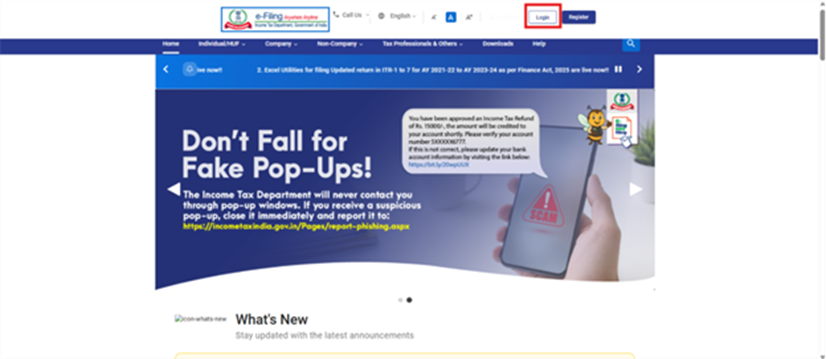
The refund reissue feature is designed to correct mistakes before they turn into prolonged disputes. After logging into the portal, navigating to the ‘Services’ section and selecting ‘Refund Reissue’ initiates the request. The system then asks for the assessment year and the specific record that needs correction. A new bank account can be added, validated, and selected for refund transfer during this process. Verification through EVC or OTP completes the request. This option works smoothly when the refund has failed or bounced back but may not resolve cases where the refund has already been deposited into another active account.
Fixing Refund Issues When Wrong Bank Details Were Entered
When incorrect bank details were used and the refund still shows as credited, the matter becomes more complex. In such instances, the bank may have allowed the ECS transaction because the incorrect number matched an existing customer account. As soon as this is discovered, a refund reissue alone is insufficient. A formal grievance needs to be initiated so the Income Tax Department can coordinate with the ECS cell and the concerned bank. This triggers an internal recovery process where the bank reaches out to the unintended recipient or reverses the transaction if regulations permit.
How to Raise a Grievance for Wrong Account Refund Issues
The e-filing portal includes a grievance redressal system that allows taxpayers to report refund miscredits in detail. Selecting the category ‘Refund Related Issues’ opens a form where the issue can be described clearly, along with evidence such as ITR acknowledgement, refund status screenshots, and bank account statements. Providing complete information helps the authorities trace the transaction quickly. Once submitted, the grievance generates a reference number that can be used to track progress. This official complaint is essential when the refund has been credited to an unrelated account and bank-level intervention is required.
Using e-Nivaran to Resolve Income Tax Refund Problems
The e-Nivaran system is a structured platform dedicated to resolving disputes involving refunds, mismatches, and portal-related concerns. It streamlines communication between the Income Tax Department, CPC, and the banking authorities. When a refund miscredit is reported through e-Nivaran, the case is routed to the appropriate jurisdiction for investigation. Supporting documents strengthen the request and reduce back-and-forth queries. This mechanism is often faster than traditional complaint channels because it centralizes resolution and provides clear escalation pathways for unresolved cases.
Timeline for Resolving Wrong Account Refund Cases
The resolution period varies depending on the bank’s response and the complexity of the miscredit. Standard cases involving refund failure or incorrect details corrected through refund reissue are settled within 10–20 days. Cases involving miscredit to another person’s active account may extend to 30–60 days due to verification and recovery requirements. Administrative follow-ups are common because refund recovery often involves multiple parties—the issuing authority, the receiving bank, the ECS department, and in some cases, the unintended beneficiary.
Role of Banks and ECS in Recovering Miscredited Refunds
Once a refund is transferred through ECS, banks follow strict protocols to manage retrieval requests. If the receiving account is inactive or closed, the amount is reversed automatically. If the account belongs to another individual and remains active, the bank verifies the transaction and contacts the account holder. ECS teams oversee the technical side, ensuring that incorrect transfers are flagged and processed. Banks follow guidelines issued by regulatory authorities, but cooperation from the unintended beneficiary may be required when the funds have already been utilized.
Preventive Measures: How to Validate Your Bank Account Properly
Pre-validating a bank account before filing an ITR prevents most refund problems. The portal ensures that the account belongs to the taxpayer’s PAN and is eligible to receive electronic credits. Keeping personal details updated with the bank helps avoid validation failures. If an account is changed, it must be revalidated immediately on the portal. Removing old or inactive accounts from the profile also reduces confusion when selecting refund options during filing.
Common Mistakes That Lead to Refund Failure or Miscredit
Mistakes such as typing the wrong account number, ignoring pre-validation errors, filing the return with a closed account, or selecting an outdated bank profile record frequently cause refund issues. Not checking the refund status after filing can delay corrective action. In some cases, bank mergers lead to updated IFSC codes that taxpayers overlook. These oversights appear minor but can create significant complications once the refund is processed.
When to Seek Professional Help for Refund Issues
Refund cases that involve miscredits, recovery from an unintended account holder, or repeated failures often require professional guidance. Expert-assisted services like those offered through TaxBuddy can streamline the process, prepare accurate grievance submissions, and coordinate follow-ups. This support reduces delays and ensures compliance with the latest rules. TaxBuddy’s team handles these issues regularly, making the process smoother for individuals who prefer guided resolution instead of navigating the system alone.
Conclusion
Wrongly credited refunds can be resolved efficiently when the correct procedures are followed. Verifying refund status, submitting reissue requests, and raising grievances through e-Nivaran remain the most reliable routes to recovery. Maintaining updated, validated bank information helps prevent such issues altogether. For anyone looking for assistance in tax filing, it is highly recommended to download the TaxBuddy mobile app for a simplified, secure, and hassle-free experience.
FAQs
Q1. Does TaxBuddy offer both self-filing and expert-assisted plans for ITR filing, or only expert-assisted options?
TaxBuddy supports both types of filing. The self-filing option suits individuals with simple income profiles, allowing automatic import of data from Form 16, AIS, and TDS records. The system highlights potential mismatches and ensures clean submission. The expert-assisted option is designed for those with business income, capital gains, foreign assets, rental income, or refund complications. A tax professional reviews every detail, prepares corrections where needed, and ensures the return aligns with current rules. This dual-approach model makes the platform accessible to both first-time filers and those with complex tax situations.
Q2. Which is the best site to file ITR?
The official income tax portal remains the primary platform for filing returns, offering all services directly from the Central Board of Direct Taxes. However, many users prefer third-party platforms such as TaxBuddy for a smoother experience. These platforms simplify the steps involved in filing, reduce errors through automated checks, and offer human support when something goes wrong. For individuals dealing with refund delays, miscredited refunds, or multiple income categories, guided filing platforms often provide faster and more reliable outcomes.
Q3. Where to file an income tax return? Returns can be filed either on the official portal or through recognized private platforms that integrate securely with government systems. The income tax website allows direct filing, but platforms like TaxBuddy provide a more user-friendly interface, guided workflows, and professional assistance. This helps taxpayers avoid mistakes, manage their refund processes more efficiently, and receive support even after filing.
Q4. Can I get my income tax refund back if credited to someone else’s account? Yes. When a refund lands in another person’s bank account, the Income Tax Department and the receiving bank follow a defined recovery process. After a refund reissue request is submitted, the taxpayer must raise a grievance through e-Nivaran. This allows the department to coordinate with the bank through the ECS system. The bank then verifies the transaction, contacts the unintended recipient, and initiates reversal where possible. Though recovery can take time, the established process allows retrieval in most cases.
Q5. How do I correct my bank details on the income tax portal? The portal includes a dedicated section called ‘My Bank Account’ where taxpayers can add, modify, or delete bank accounts. Adding a new account requires PAN-level verification and bank confirmation to ensure it is valid for receiving refunds. After validation, the account must be marked as the primary refund account. The refund reissue service can then be used to transfer the pending refund into the updated and validated account.
Q6. What if the bank rejects my refund because the account is closed? If a refund is sent to a closed account, the amount automatically bounces back to the Income Tax Department. The refund status will show a failure message rather than a miscredit. This issue is resolved by updating the bank details and filing a refund reissue request. Because the funds never reached another customer’s account, the reissue process is straightforward and typically clears within a short period.
Q7. How can I track my refund grievance status? The portal provides a dedicated ‘Grievance Status’ section where taxpayers can track the progress of their complaints. This system shows whether the grievance has been reviewed, assigned to a department, or requires further documents. Updates include timestamps, status remarks, and expected next steps. The tracking system ensures transparency and helps taxpayers understand where their case stands at any point.
Q8. What documents are required to raise a refund-related grievance? A refund grievance typically requires the ITR acknowledgment, bank statements showing no credit received, a screenshot of the refund status from the portal or NSDL, and any related communication from the tax department or bank. Providing clear documents helps officers verify the issue faster and prevents unnecessary delays caused by follow-up queries.
Q9. How long does it take to resolve income tax refund issues? Timelines vary depending on the nature of the problem. Simple refund failures may be resolved within 10–20 days once the refund reissue request is submitted. Cases involving wrong account credits usually take longer because banks must verify, trace, and retrieve the amount. These cases typically take between 30–60 days. Complexity increases when the unintended recipient has used the funds, requiring additional steps.
Q10. What happens if the wrong account holder refuses to return the refund? Banks follow regulatory guidelines requiring cooperation from the unintended recipient. If the recipient does not respond or refuses to return the funds, the bank escalates the case under internal dispute protocols. The Income Tax Department may also initiate formal action if needed. While such situations are rare, recovery becomes more time-consuming and may require additional administrative steps.
Q11. Is it mandatory to pre-validate a bank account for receiving refunds? Yes, pre-validation is mandatory. It prevents fraud, ensures the account belongs to the taxpayer, and avoids delays caused by incorrect details. Without pre-validation, refund requests fail automatically. The system validates the account using PAN, bank records, and KYC information, making the refund process more reliable.
Q12. Can TaxBuddy help resolve refund miscredit or refund failure issues? TaxBuddy assists with all refund-related issues, including wrong credits, repeated failures, or bank-related rejections. The team prepares accurate refund reissue requests, drafts grievances with supporting documents, and guides taxpayers through e-Nivaran submissions. For those who prefer not handling departmental communication or technical steps, TaxBuddy’s professional support significantly speeds up resolution and minimizes errors.